
Technical guide
IP40, IP54 and IP65 Enclosure Selection Guide
Read both IP numerals, define the exposure and remember that cable entries and installation determine the protection of the finished assembly.
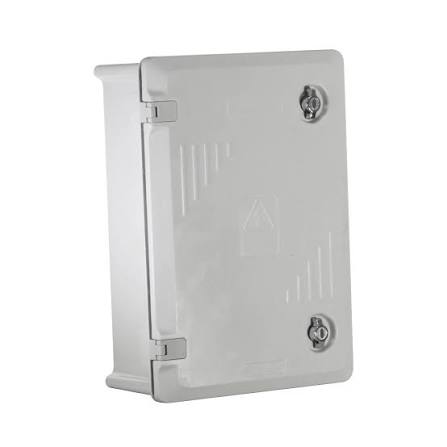
Understand the difference between IP40, IP54 and IP65 and select an electrical enclosure or conduit system for the real installation environment.
Read the two characteristic numerals separately
IEC 60529 classifies degrees of protection provided by enclosures. The first characteristic numeral relates to access to hazardous parts and ingress of solid foreign objects; the second relates to water ingress. An IP code is therefore two coordinated classifications, not one general quality score.
IP40, IP54 and IP65 represent different combinations. The exact definitions and test conditions should be checked in the applicable standard and product documentation when a project depends on the rating.
Use IP40 for controlled dry environments
IP40 products address solid-object access at the stated level but carry no declared water protection in the second numeral. They can be appropriate inside dry, controlled spaces where splashing, washdown and weather exposure are not expected.
FRAME standard cable trunking and uncoated galvanized flexible conduit descriptions include IP40 references. The complete installation and local electrical rules still determine suitability.
Use IP54 where dust and splash exposure increase
IP54 adds a higher solid-ingress classification and protection against water splashing under the defined test. It is often considered for industrial areas with dust and incidental splash, provided the installed joints, connectors and entries maintain the required protection.
FRAME PVC-coated flexible steel conduit descriptions include IP54. The selected fittings and terminations should be checked as part of the same system.
Use IP65 only when the application needs it
IP65 combines a dust-tight first numeral with protection against water jets under the defined test. It is commonly requested for industrial and exposed enclosures, but it does not by itself establish suitability for submersion, corrosion, UV exposure, impact or every outdoor condition.
FRAME ABS and polyester boards include IP65 descriptions, while several thermoplastic junction boxes are listed as IP67. Choose the rating from the real exposure and then preserve it through correct glands, seals, closing force and maintenance.
- Define dust and water exposure
- Check the empty enclosure declaration
- Specify compatible cable entries
- Review every modification
- Inspect seals during maintenance
Turn the rating into a purchase specification
Write the enclosure size, material, cover, IP code, mounting arrangement, cable-entry plan and environment on the enquiry. Avoid asking for 'waterproof' without a defined rating and use condition.
FRAME product pages show the declared material and protection information available for each reference. For project-critical applications, request the current technical documents before approval.
Frequently asked questions
Quick answers for purchasing teams
Is IP65 waterproof?
IP65 describes dust-tight protection and protection against water jets under defined test conditions. It does not mean the product is suitable for submersion or every outdoor exposure.
Can drilling an IP65 enclosure affect the rating?
Yes. Openings, glands, vents and assembly can reduce protection unless they are designed and installed to maintain the required IP level.
Is a higher IP rating always better?
Not necessarily. Select the rating required by the environment, ventilation, maintenance and project rules. Over-specification can add cost and complicate thermal management.
Standards references